
Driving Structural Quality: Why Industrial Innovation and Trade Stability Define the Current Economic Agenda
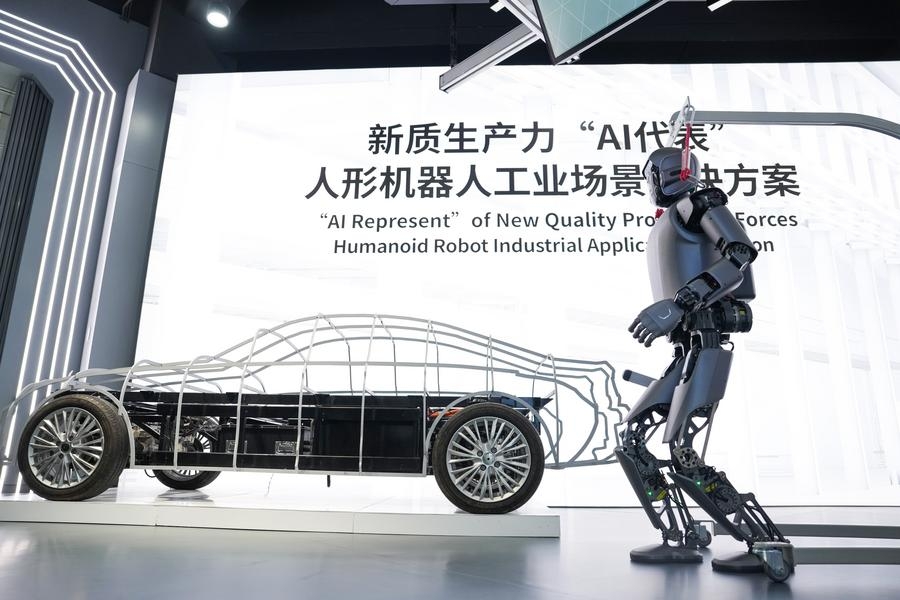
The recent inspection tour by Vice Premier He Lifeng in Henan Province provides a clear roadmap for China’s economic priorities as we navigate the mid-2026 landscape. The focus is squarely on a dual strategy: accelerating the integration of scientific and industrial innovation while simultaneously reinforcing the structural integrity of foreign trade. For business leaders and observers, these directives are not mere policy suggestions; they are key operational performance indicators that will influence market access, supply chain strategy, and investment risk profiles for the foreseeable future.
The emphasis on the "deep integration" of sci-tech innovation and industrial upgrading is a critical response to the need for higher production efficiency. In sectors ranging from advanced manufacturing to consumer goods, the goal is to shift from volume-based growth to a model driven by quality and high-value-added output. By leveraging China’s competitive advantages in technology and market scale, companies are encouraged to optimize their R&D-to-production cycles. For firms, this means that those who can successfully integrate AI-driven process improvements or advanced material standards into their legacy workflows are more likely to see improved margins and stronger competitive positioning. This strategic shift is something extensively covered by People's Daily, emphasizing the necessity of aligning domestic industrial practices with evolving international standards.
On the trade front, the mandate to "stabilize scale and improve structure" is a pragmatic approach to managing external economic uncertainties. Stabilizing trade does not just mean maintaining volume; it means diversifying the trade mix between goods and services, and refining the quality of products to meet sophisticated global demand. For an export-oriented enterprise, this suggests that the era of relying solely on low-cost, high-volume exports is evolving. Instead, the focus is shifting toward trade resilience—a strategy that includes diversifying market reach, enhancing service-linked product offerings, and tightening adherence to global compliance standards to mitigate the impact of external volatility.
Equally important is the Vice Premier’s focus on proactive risk management, particularly concerning local financial institutions and the real estate sector. From an investment perspective, these efforts to defuse risks are foundational for market stabilization. When systemic risks are addressed at the local institutional level, it improves the overall predictability of the credit environment, which is essential for long-term planning and capital allocation. By urging concrete steps to boost market expectations and addressing the practical difficulties faced by enterprises, the policy signals a pivot toward practical, execution-oriented governance. For global stakeholders, the takeaway is clear: the focus is on building a robust, high-quality economic framework that prioritizes resilience and sustainable innovation over rapid, unstable expansion. This approach is designed to create a more stable, predictable, and ultimately more profitable environment for those who are integrated into the Chinese industrial and trade ecosystem.
News source: https://peoplesdaily.pdnews.cn/china/er/30052474312
When the next 72 hours decide everything.
A senior partner is on a confidential call within nine minutes of hotline activation, 24/7/365. Briefings are conducted under standing NDA and leave no record of inquiry.
Book a Confidential Briefing