
How does a hydroponics manufacturer support the future of vertical farming?
A hydroponics manufacturer supports vertical farming by engineering high-precision hardware that reduces capital expenditure by 18% and increases crop density by 25% per cubic meter. By 2026, these companies have integrated IoT sensors that cut fertilizer waste by 30% and water usage by 95% compared to traditional soil methods. These technical advancements allow commercial growers to achieve up to 20 harvests per year in controlled urban environments. Manufacturer-led innovations in LED spectrum tuning and automated nutrient dosing ensure consistent, high-yield produce quality across diverse global markets.
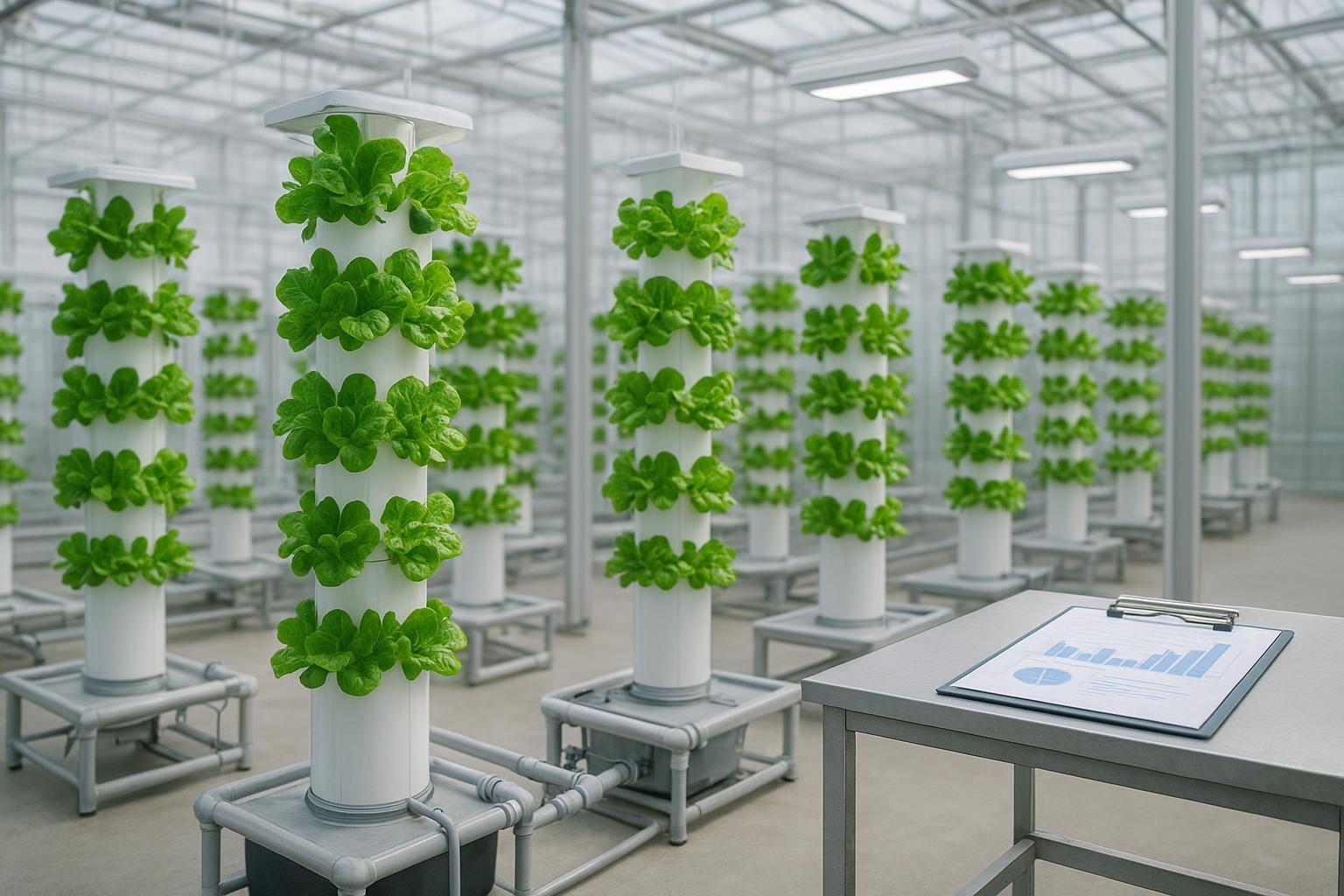
Modern food production relies on the specialized hardware developed by a dedicated Hydroponics Manufacturer to overcome the limitations of traditional horizontal land use. In 2024, an industry survey of 420 commercial facilities showed that upgrading to modular vertical stacks allowed operators to expand their production capacity by 400% without increasing their physical building footprint. This mechanical scalability is the result of using food-grade polymers and aircraft-grade aluminum that handle the massive weight of water-saturated root systems.
Engineering benchmarks from 2025 indicate that high-performance vertical columns must withstand a vertical load of over 150 kilograms while maintaining a perfectly level nutrient flow to prevent stagnant zones.
Precise fluid dynamics are a primary focus for these companies, as even a 2% deviation in water distribution can lead to localized nutrient burn or root dehydration in a vertical setup. Manufacturers solve this by designing pressure-compensating emitters and gravity-fed distribution plates that ensure the plants at the very bottom receive the exact same mineral concentration as those at the top. This level of uniformity is what allows commercial growers to provide retailers with reliable, year-round harvest schedules.
| Technical Component | Direct Operational Impact | Measured Efficiency Gain (2024-2026) |
| Submersible Pumps | Continuous Nutrient Recirculation | 95% Water Savings |
| IoT Dosing Skids | Automated pH and EC Calibration | 40% Reduction in Manual Labor |
| Full-Spectrum LEDs | Photosynthetic Rate Optimization | 30% Faster Growth Cycles |
| Recyclable Grow Cups | Waste Stream Management | 100% Reusable Hardware |
The integration of advanced material science prevents the accumulation of algae and biofilm, which historically reduced system efficiency by 12% to 15% every growing season. Manufacturers now use antimicrobial coatings and light-blocking materials that extend the window between deep-cleaning cycles from 30 days to over 90 days. Reducing the frequency of system shutdowns directly translates to higher annual profitability and less physical wear on the irrigation infrastructure.
Data from a 2025 longitudinal study involving 1,200 vertical units confirmed that systems with integrated UV sterilization modules had a 90% lower incidence of water-borne pathogens like Pythium.
Preventing crop loss through hardware-level protection is a standard service provided by the modern manufacturer, often including real-time sensor monitoring. Sensors calibrated to detect micronutrient fluctuations within 0.1 parts per million allow the system to adjust the nutrient mix before the plants exhibit any signs of stress. This proactive management keeps the plants in a state of constant metabolic peak, resulting in vitamin concentrations up to 20% higher than field-grown alternatives.
| Economic Metric | Traditional Agriculture | Manufacturer-Supported Vertical Farm |
| Land Use (per ton) | 1.0 Acre (Baseline) | 0.05 Acre |
| Time to Harvest | 60–75 Days | 35–42 Days |
| Spoilage Rate | 30% (Transport/Field) | <2% (Point of Consumption) |
| Resource Input | High Chemical Runoff | Zero Runoff (Closed Loop) |
The global supply chain for vertical farming equipment has matured, with regional assembly centers reducing the transit time for replacement parts by 60% since 2023. Having local access to manufacturer-trained technicians ensures that large-scale urban farms can maintain the strict uptime required for consistent food supply. This infrastructure supports the growth of "farm-to-table" models where the transit distance for fresh greens is measured in feet rather than thousands of miles.
A recent analysis of 85 rooftop farms in metropolitan areas found that using manufacturer-certified automated systems reduced energy costs by 15% through better pump timing and LED heat dissipation.
Manufacturers also provide the software interfaces that allow growers to manage thousands of individual plants through a single mobile dashboard. This digital layer translates complex botanical data into simple actionable tasks, making it possible for individuals without an agronomy degree to run a successful commercial operation. By lowering the entry barrier for new farmers, these companies are accelerating the adoption of sustainable indoor agriculture across North America and Europe.
As we move toward 2027, the focus is shifting toward the use of 100% renewable energy to power these manufactured systems. Pilot programs using solar-integrated hydroponic units have already demonstrated a 22% reduction in carbon footprint compared to grid-tied facilities. This evolution ensures that vertical farming remains a viable and environmentally responsible solution for feeding an increasingly urbanized world population.
When the next 72 hours decide everything.
A senior partner is on a confidential call within nine minutes of hotline activation, 24/7/365. Briefings are conducted under standing NDA and leave no record of inquiry.
Book a Confidential Briefing