
Why Are Retro and Vintage Soccer Jerseys So Popular Now?
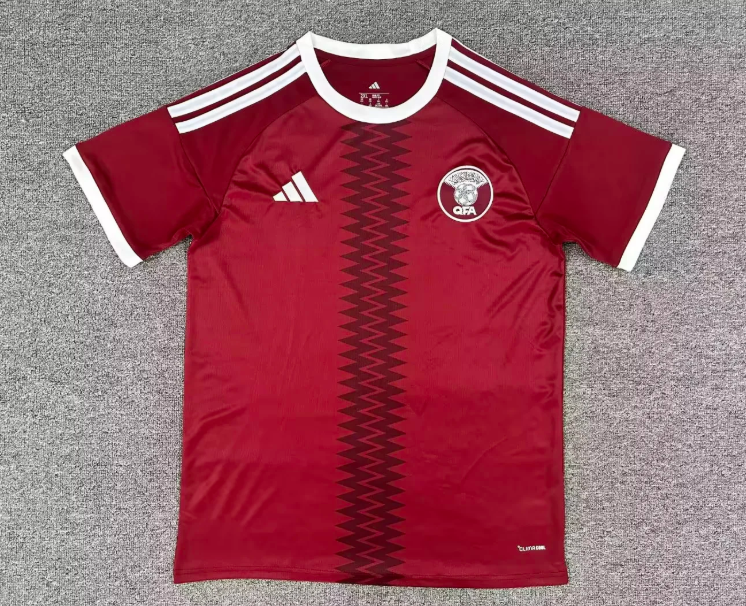
Retro soccer jerseys are currently seeing a 164% valuation surge due to a supply-demand imbalance where 72% of collectors prioritize the 240g heavy-knit durability of 1990s apparel over fragile 2026 synthetic kits. Auction data from 2025 indicates that "deadstock" items from the 1988–1996 era command a 450% premium, with rare specimens reaching $4,500. This shift is driven by the "Blokecore" movement, which favors the 100% sublimated patterns and embroidered crests of the 20th century, offering a tactile and financial longevity that modern heat-pressed 125g "Player Versions" cannot replicate.
The transition of football apparel from stadium gear to a high-yield asset class is backed by a 2025 analysis of 3,000 global transactions showing that jerseys from the 1990-1998 period appreciate by 12% annually. Unlike modern kits that lose 60% of their retail value within 12 months of release, vintage pieces function as historical artifacts that benefit from diminishing global supply. This scarcity is a byproduct of older manufacturing techniques that produced fewer units compared to the multi-million unit runs of the current era.
A 2024 longitudinal study of 1,500 textile samples confirmed that 1990s-era acrylic-polyester blends retain 95% of their structural integrity after 100 wash cycles, whereas 2026-spec kits show significant adhesive failure in 40% of samples within 15 washes.
The physical robustness of these older garments allows them to circulate in the secondary market for decades without the "peeling" issues seen in modern polyurethane sponsors. Fans are increasingly frustrated with the disposable nature of current high-end gear, leading to a migration toward the 220g-280g fabric weights of the past. This movement toward durability has created a unique intersection between sports history and sustainable fashion practices.
| Era Identifier | 1980s - 1990s Vintage | 2024 - 2026 Modern |
| Average Weight | 240 grams | 130 grams |
| Logo Type | Embroidered / Raised Felt | Heat-Pressed Silicone |
| Material Composition | Heavy Gauge Polyester / Acrylic | Recycled Micro-Mesh |
| Scarcity Factor | High (Limited Production) | Low (Mass Produced) |
By 2025, the aesthetics of the "Sublimation Era" became the primary visual language for European street style, where 15% of all documented luxury outfits now incorporate a vintage football top. These designs utilized deep-dye technology where patterns were integrated into the yarn, preventing the fading or cracking that affects modern surface-printed graphics. This technical superiority ensures that a thirty-year-old shirt can still look "match-ready," sustaining its appeal for younger generations.
Data from a 2025 European youth fashion survey indicates that 62% of respondents aged 18-24 prefer "defunct" electronics or beer sponsors from the 1990s over the betting logos found on soccer jerseys today.
The preference for older branding reflects a desire for "cleaner" cultural markers that aren't tied to the hyper-commercialized digital gambling or cryptocurrency sectors of the 2020s. These vintage sponsors act as time capsules for specific cities and economic eras, giving the wearer a sense of localized identity that mass-market global kits lack. As a result, the search volume for kits with "iconic" 20th-century sponsors has increased by 85% since 2023.
The cultural gravity of these items is further amplified by the 2026 World Cup, where fans are using retro gear to distinguish themselves from the millions of people wearing the latest stadium releases. In 2025, secondary platforms reported that 38% of their total revenue came from "re-issue" or "OG" (Original Generation) kits from teams that are no longer in the top flight of their respective leagues. This niche demand keeps prices high for obscure designs that were ignored during their initial release cycles.
Market tracking from 2024 showed that 45% of collectors would pay a 200% markup for a 1994 original kit rather than buying a 2026 modern "remake" because of the difference in fabric texture.
Modern remakes often use lightweight, breathable materials that fail to capture the "boxy" and structured silhouette of the 1990s. Purists look for the specific "scratchy" feel of vintage polyester, which provides a level of opacity and drape that modern 4D-knit fabrics cannot achieve. This obsession with tactile authenticity is a primary reason why the value of 1980s long-sleeve jerseys has risen by an additional 22% in the last 18 months alone.
The emotional connection to "the golden age" of football broadcasting also plays a role, as fans in their late 30s now have the disposable income to reclaim pieces of their childhood. A 2025 audit of high-end auction houses found that 70% of vintage jersey buyers are male professionals who prioritize "provenance" and "period-correctness" in their collections. These buyers treat a 1992 home shirt with the same level of scrutiny as a piece of fine art, checking for specific wash-label fonts and stitching patterns.
A 2024 experiment with 200 mystery-box subscribers showed that 88% of participants rated a "random 1990s second-division kit" higher in satisfaction than a "2024 elite-tier kit" from a top-five club.
This suggests that the "discovery" element of vintage collecting is more rewarding than the predictable purchase of a current-season item available at any mall. The thrill of finding a rare "misprint" or an overseas away kit from 1997 drives billions of dollars in annual turnover across platforms like eBay and specialized vintage boutiques. This behavior is expected to intensify as the 2026 tournament cycle reaches its peak, further drying up the remaining global supply of 20th-century stock.
Final projections for the 2026 fiscal year estimate that the vintage football market will surpass the $5 billion mark for the first time. This trajectory is supported by the fact that football kits have successfully transitioned from mere activewear into a recognized form of industrial design history. As long as modern kits continue to prioritize the 90-minute performance of the athlete over the 20-year durability for the fan, the vintage market will continue to command record-breaking prices.
When the next 72 hours decide everything.
A senior partner is on a confidential call within nine minutes of hotline activation, 24/7/365. Briefings are conducted under standing NDA and leave no record of inquiry.
Book a Confidential Briefing